
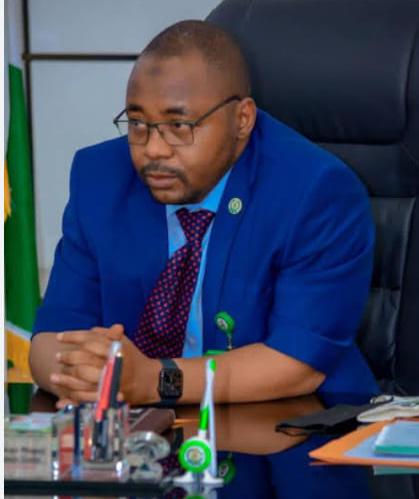
By Abbas Ibrahim.
Crime and Judicial Reporter.
The decision by Governor Abba Kabir Yusuf to constitute a Special Taskforce on Drug Abuse and Illicit Trafficking could not have come at a better time. The devastating impact of substance abuse and drug related crimes has continued to threaten families, communities and the socio economic wellbeing of Kano State.
For years, Kano has grappled with the growing challenge of drug abuse, particularly among young people. The state’s status as the commercial nerve centre of Northern Nigeria and one of the country’s most cosmopolitan cities has brought enormous economic advantages. However, the same factors have also exposed it to criminal networks involved in drug trafficking and related offences.
Recent insights gained during the National Security Summit organised by the Nigeria Union of Journalists (NUJ) with support from the Department of State Services (DSS) in Abuja on June 18 and 19 further reinforced the urgency of decisive action. During the summit, a representative of the Chairman of the National Drug Law Enforcement Agency (NDLEA), retired Brigadier General Mohammed Buba Marwa, highlighted disturbing realities surrounding drug abuse and illicit trafficking in Nigeria.
The revelations presented at the summit painted a grim picture of the extent of the challenge confronting the nation. The atmosphere in the hall reflected deep concern as participants reflected on the implications of drug abuse for national security, public health, youth development and social stability.
It is against this backdrop that the establishment of the Kano State Taskforce deserves commendation. More importantly, the composition of the committee has inspired confidence among many stakeholders. The appointment of Barrister Muhuyi Magaji Rimingado as Chairman, alongside representatives of security agencies, relevant institutions and respected volunteers such as Maryam Muhammad and Ambassador Maryam Hassan, reflects an attempt to assemble a team with credibility, experience and commitment.
Yet, constituting a committee is often the easiest part of the journey. Delivering tangible results is the real test.
Kano has witnessed the establishment of various committees and interventions in the past aimed at addressing drug related challenges. While some recorded modest successes, the overall problem persisted, suggesting that the complexity of the drug menace requires more than routine enforcement activities.
The task before the new committee is therefore enormous.
Drug abuse is not merely a criminal issue, it is a social, economic, health and security challenge. It fuels violent crimes, the April 27 attack on Kano farm center market left a dark memory,
armed robbery, domestic violence, gang activities, thuggery and other forms of social disorder. Many security experts agree that a significant proportion of crimes committed in society have direct or indirect links to substance abuse.
The taskforce must therefore resist every form of pressure, influence and distraction. Drug enforcement is a difficult assignment often accompanied by temptations, vested interests and powerful networks. To succeed, the committee must operate with professionalism, transparency and objectivity, irrespective of social status, political affiliations or economic influence.
One of the most critical ingredients for success will be intelligence gathering. Modern crime fighting increasingly relies on actionable intelligence rather than reactive operations. The taskforce must establish strong partnerships with communities, traditional institutions, religious leaders, youth groups and security agencies to generate reliable information capable of dismantling drug distribution networks.
The recently established Kano Neighbourhood Watch Corps presents a unique opportunity in this regard. With about 2,000 young men and women deployed across communities, the corps can serve as the eyes and ears of the taskforce at the grassroots level. Their proximity to local communities positions them to provide early warning signals and useful intelligence on drug related activities.
Furthermore, ongoing discussions surrounding the establishment of state police structures in Nigeria could eventually strengthen the state’s capacity to tackle organised crimes, including drug trafficking. Such institutional reforms would complement existing security frameworks and enhance coordination among agencies involved in the fight against illicit substances.
Ultimately, the success of the taskforce will not be measured by the number of meetings held or statements issued. It will be judged by measurable outcomes, reduction in drug abuse, disruption of trafficking networks, rehabilitation of affected individuals, improved community safety and restoration of hope among young people.
The people of Kano are watching. Parents, community leaders, religious institutions, security agencies and civil society organisations all recognise the urgency of the moment. Expectations are high.
Governor Abba Kabir Yusuf has taken a significant step by establishing the taskforce. The responsibility now rests with its members to demonstrate that this intervention will be different from previous efforts. The fight against drug abuse is ultimately a fight for the future of Kano’s youth, the stability of its communities and the security of the state.
The challenge is enormous, but so too is the opportunity to make a lasting difference.
Comrade Abbas Ibrahim, a crime and Judicial Reporter writes from Kano and can be reached at [email protected]


