
By BALA NASIR
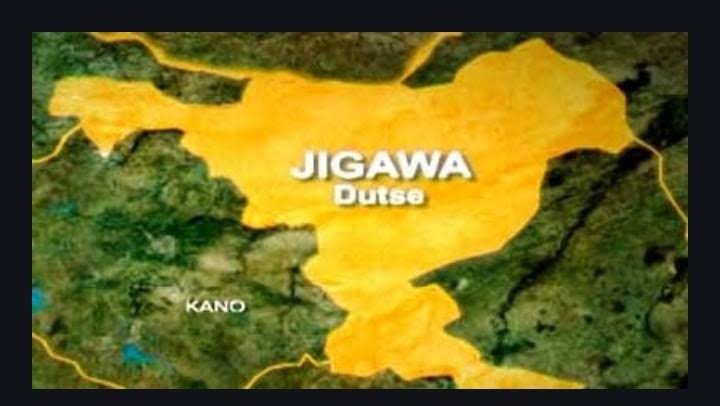
On Thursday, 27 August 2026, Jigawa State will mark a significant milestone: 35 years since its creation from the northeastern part of the old Kano State. Established in 1991 under the military administration of General Ibrahim Babangida, Jigawa emerged with the promise of bringing government closer to its people and accelerating development in an area that had long sought greater political and administrative attention.
Three and a half decades later, the story of Jigawa is one of gradual transformation, resilience and determination.
From its early years as a relatively new state faced with the enormous challenge of building institutions and infrastructure almost from scratch, Jigawa has developed into a state with a growing network of roads, schools, healthcare facilities, public institutions and economic infrastructure.
Education has remained one of the important pillars of this journey. The expansion of basic and higher education institutions has increased opportunities for young people, while successive administrations have invested in teachers, school infrastructure and human-capital development.
The emergence and strengthening of institutions such as Sule Lamido University have further broadened opportunities for higher education within the state.
Healthcare has also witnessed important development.
Over the years, investments have been made in hospitals, primary healthcare centres, medical equipment and access to healthcare services.
Under the present administration, healthcare has received renewed attention, with the state government approving additional measures aimed at strengthening healthcare delivery and improving citizens’ welfare.
Agriculture remains at the heart of Jigawa’s economy. The state has developed a strong agricultural identity, particularly in the production of sesame and other crops. Its location and agricultural potential have also positioned it as an attractive destination for investment in agriculture, manufacturing, renewable energy and related industries.
Infrastructure is another area in which the state has made considerable progress. Roads linking communities, urban development and other public infrastructure have helped to connect people and facilitate economic activities. Under Governor Umar Namadi, the pace and scale of infrastructure development have received particular attention, with the administration reporting the completion of inherited road projects covering more than 300 kilometres and the commencement of new road projects spanning more than 800 kilometres.
The Namadi Years: Raising the Standard
As Jigawa enters its 35th year, the administration of Governor Malam Umar Namadi has sought to build on the achievements of previous administrations while raising the standard of governance and development. Its emphasis has been on human capital, education, healthcare, agriculture, infrastructure, economic empowerment and improved public services.
The administration’s approach has increasingly placed human development at the centre of its development philosophy. Investment in education, skills acquisition and opportunities for young people reflects an understanding that sustainable development cannot be measured only in kilometres of roads or numbers of buildings, but also in the quality, capacity and productivity of the people.
Agriculture has equally received renewed attention, with support for farmers, subsidised fertiliser and other agricultural inputs forming part of efforts to increase food production and strengthen economic self-reliance.
The state’s development agenda has also continued into 2026, with the Executive Council approving initiatives covering welfare, healthcare, agriculture, education and emergency relief. These measures demonstrate an attempt to make development more comprehensive and directly connected to the needs of ordinary citizens.
At 35, therefore, Jigawa’s story is not simply a celebration of age. It is a celebration of a journey—from a newly created state struggling to establish its institutions to a state increasingly confident about its economic potential and human-capital prospects.
The next chapter will require even greater commitment to education, healthcare, agriculture, industrialisation, employment creation, infrastructure and good governance. If the progress of the past 35 years is sustained and the current emphasis on human and sectoral development continues, Jigawa can enter its next decade with an even stronger foundation for prosperity.
Jigawa at 35 is, ultimately, a story of how vision, perseverance and purposeful leadership can transform a young state into a growing centre of human and economic development.
Bala Nasir writes from Kano.


