
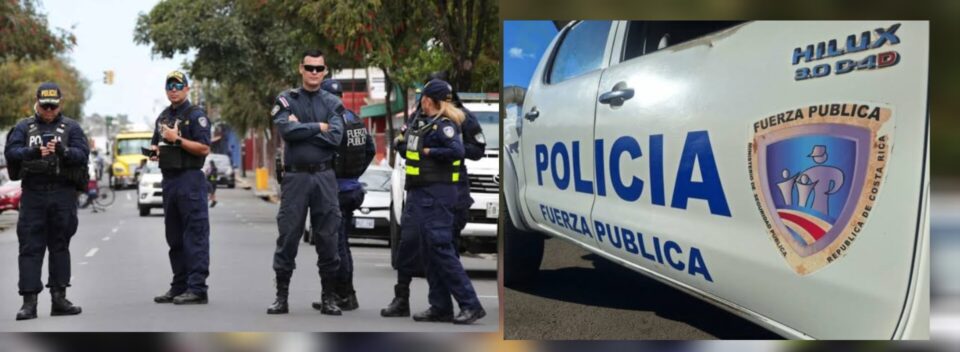
78 years ago, in 1948, Costa Rica made a decision that many nations still consider unimaginable, the revolutionary leader Jose Figueres Ferrer abolished the military.

The move did not emerge from luxury or absolute peace. It was born from bitter political experience. After a short but bloody civil conflict, many Costa Ricans had grown weary of the destructive role armed forces often played in politics across Latin America. Rather than protecting democracy, militaries in several countries had become instruments of coups, intimidation, and political domination.
Costa Rica decided it had seen enough.
Under the leadership of José Figueres Ferrer, the country concluded that a heavily militarized state could itself become a threat to democratic stability. The army was dissolved, not because security no longer mattered, but because leaders believed true national stability could not flourish under the constant shadow of military interference.
It was a radical gamble against the culture of force.
Instead of investing in tanks, battalions, and expanding military bureaucracy, Costa Rica redirected national resources toward policing, education, healthcare, and institution building. The country deliberately strengthened civilian authority while promoting the idea that order could be maintained through law, dialogue, and public trust rather than fear of armed might.
The police became the primary guardians of internal stability.
More importantly, the state psychologically reoriented its citizens toward civic responsibility and peaceful coexistence. Law enforcement was increasingly projected as a community institution rather than a militarized structure designed to dominate society. Citizens were encouraged to see peace as a collective responsibility, not merely the absence of war.
The results gradually transformed the country.
Money that would have disappeared into military expenditure was invested in schools, hospitals, tourism infrastructure, and social development. Over time, Costa Rica earned global recognition as one of the most peaceful and stable countries in Latin America, a region historically troubled by military coups, armed insurgencies, and authoritarian interventions.
Yet abolishing the military did not eliminate challenges.
Costa Rica still faced border tensions with Nicaragua, alongside regional instability during the Cold War era. Drug trafficking and organized crime also emerged as serious concerns. But even under pressure, the country resisted the temptation to return to military rule or rebuild a standing army.
Instead, it strengthened intelligence gathering, internal policing, diplomacy, and international cooperation. Strategic partnerships with allies, especially the United States and global institutions, became central to its security strategy.
Critics argue that Costa Rica’s situation may not be easily replicated everywhere. They point to its geography, relatively small population, and diplomatic environment as important factors behind its success. Nevertheless, the country’s experience continues to raise uncomfortable questions about the long-term consequences of excessive militarization.
Across many parts of the world, militaries originally established to defend nations have sometimes evolved into political power centers capable of destabilizing democracy itself. Military interventions, coups, suppression of dissent, and the diversion of enormous public resources toward weapons procurement have often weakened civil institutions rather than strengthened them.
Costa Rica chose a different path.
More than seven decades later, its story remains a powerful reminder that national greatness is not always measured by the size of an army, but by the strength of institutions, the maturity of civic culture, and the willingness of a people to place dialogue above domination.
Its enduring message is simple yet profound: peace sustained by strong institutions and public trust may ultimately prove more durable than peace imposed at gunpoint.


