
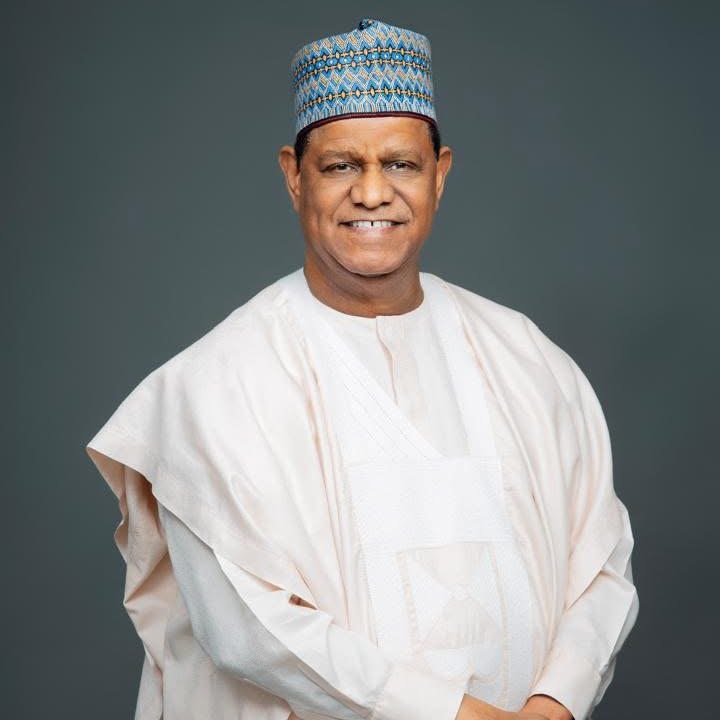
Mohammed Hayatu-Deen undoubtedly has ideas and solutions for moving this country forward, judging from his campaign videos and engagements. However, his style of politics appears largely elitist. For someone aspiring to become President, especially under a system that requires direct primaries, he should have focused more on building structures at the grassroots level.
Atiku Abubakar, as a former Vice President, already has structures in almost every ward across the country. Even Rotimi Amaechi, as a former governor and minister, still maintains some political visibility and grassroots presence. Comparing Hayatu-Deen’s structure with Atiku’s is simply unrealistic.
Safe Corridor:Committee Inspects Facilities Ahead Of Project Take-Off
It appears Hayatu-Deen was misled into believing that social media campaigns alone could deliver victory, forgetting that all politics is local. Building political strength requires engagement at ward and local government levels, not just holding meetings at places like Transcorp Hilton and announcing coordination meetings online.
In my state, Kano, even among ADC stalwarts, many people barely had contact with Hayatu-Deen, talk less of ordinary grassroots supporters.
So, hearing that Hayatu-Deen withdrew from the presidential primaries sounds unsurprising. Some of my political associates at the coalition centre during the primaries never even encountered any of his coordinators before the withdrawal.
As a party member, I hardly saw anyone actively working for his victory, unlike the visible presence of Rotimi Amaechi’s supporters across several local governments in Kano State.
Politics is not about making noise on social media alone; it requires active grassroots mobilization and engagement.
Peter Obi and Kwankwaso understand this reality, which is why they left the ADC. There was practically no way they could defeat Waziri Atiku Abubakar in a truly competitive primary election.


